

The Eisenhower Matrix: Sorting What Actually Matters
A simple two-by-two grid that helps you distinguish urgent from important. We break down how to use it without overcomplicating your workflow.
Read MoreLearn proven frameworks for priority management, schedule optimization, and sustained focus. Resources built for professionals navigating Malaysia’s fast-paced work culture.
Time management isn’t about doing more — it’s about doing what matters. These guides cover practical systems you can implement today.
Explore in-depth resources on time management, productivity frameworks, and focus techniques.
A simple two-by-two grid that helps you distinguish urgent from important. We break down how to use it without overcomplicating your workflow.
Read More
Protect your focus by assigning specific blocks of time to specific tasks. We walk through a realistic example you can adapt to your own schedule.
Read More
It’s not just about willpower. We cover environmental design, notification management, and the psychology behind why your phone keeps pulling your attention.
Read More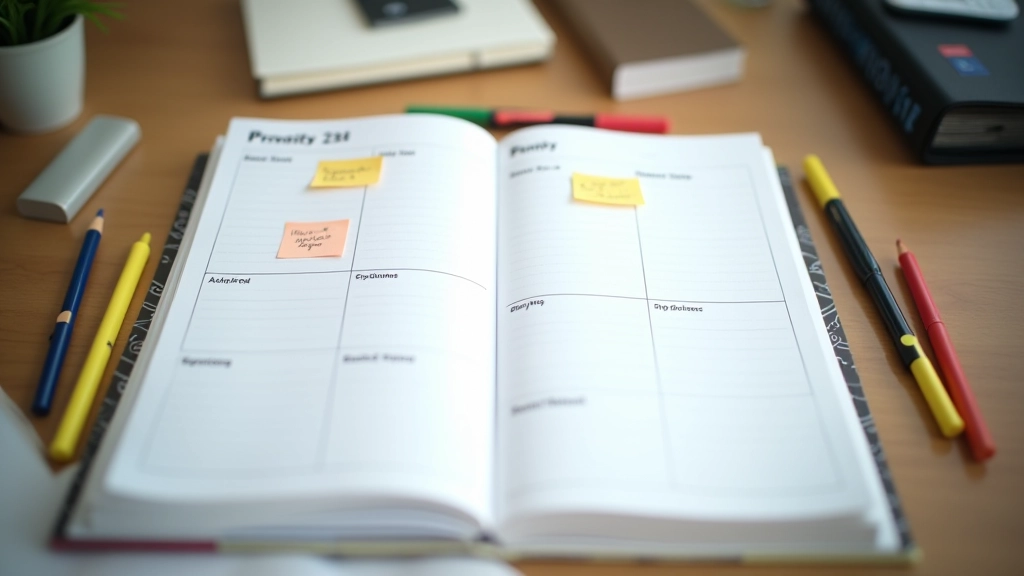
Most priority systems fail because they’re too rigid. Here’s a flexible framework that adapts to your week while keeping you focused on what counts.
Read MoreMost productivity advice assumes you have the same energy all day. You don’t. Your peak hours are limited — usually 2-4 hours where you do your best work. The real skill is protecting those hours for your most important tasks, not just scheduling them. Everything else fills the gaps.
Jumping between emails, messages, and projects doesn’t cost you 5 minutes of time. Research suggests it costs 15-25 minutes of cognitive recovery before you’re fully back in focus. That’s why single-tasking beats multitasking, even when it feels slower. Batching similar work saves far more time than you’d expect.
The best productivity system is one you don’t think about. If you’re spending more time maintaining your calendar than actually working, something’s wrong. We cover frameworks designed to be simple enough to stick with for years without constant tweaking.
These frameworks have worked across different industries and work styles. Choose what fits your situation.
25 minutes of focused work, 5-minute break. Simple rhythm that prevents burnout while maintaining concentration. Best for tasks that can be broken into chunks.
Assign specific time slots to specific activities. Creates structure and protects your calendar from constant interruptions. Works well for people with varied responsibilities.
If a task takes less than two minutes, do it immediately. Prevents small tasks from piling up and cluttering your to-do list with low-value items.
Set 3-4 goals per quarter, then plan your weeks to move toward those goals. Weekly reviews keep you aligned and catch off-track items early.